Service Insights for Waukesha Top Painting Contractor Services
Choosing the Right Painting Contractor: Tips for a Flawless Finish
Selecting a paint contractor can significantly affect the end result of a project. It requires careful consideration of various factors, such as experience, references, and communication skills. A carefully planned approach ensures clarity and minimizes potential issues. Understanding what to emphasize is crucial. With the right knowledge, homeowners can make informed choices that lead to a successful painting result. The following sections will detail essential tips and approaches to navigate this undertaking effectively.
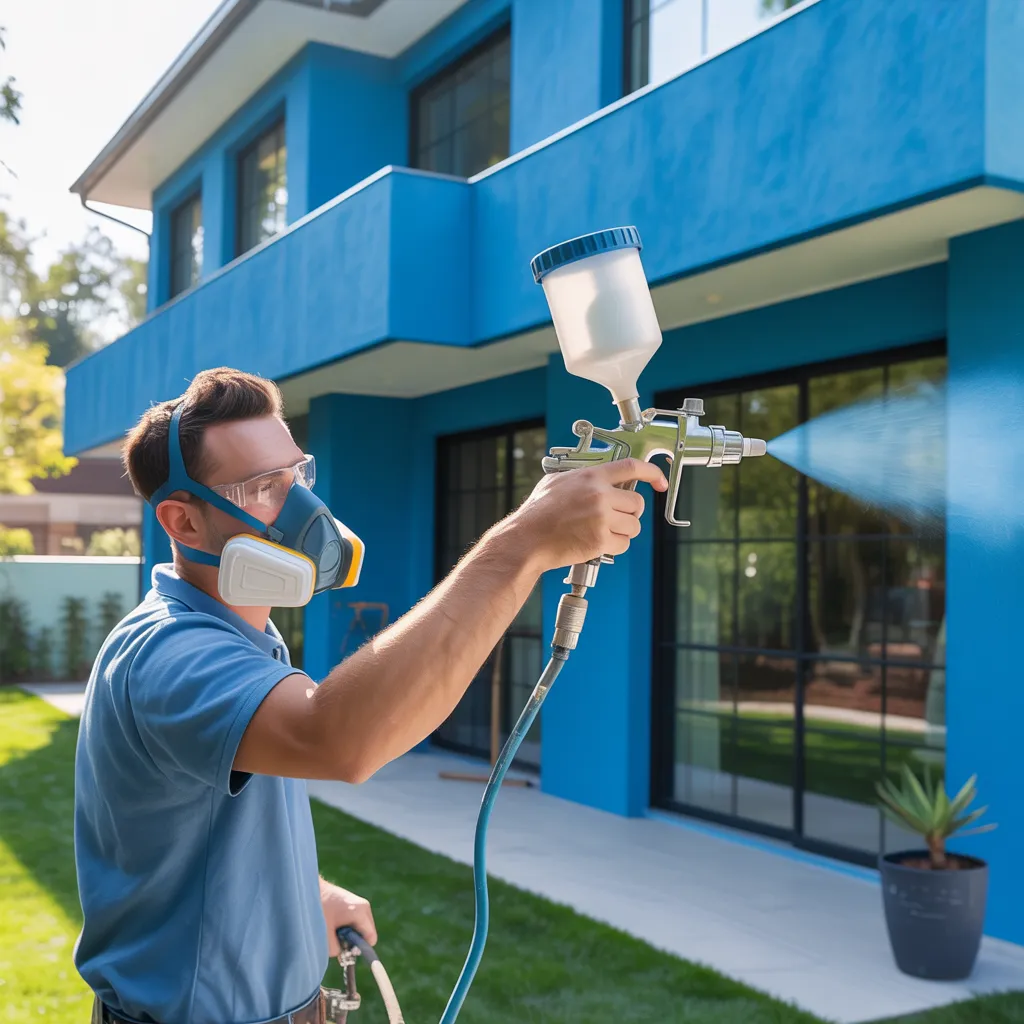
How to Measure a Painting Contractor's Experience
When examining a painting contractor's expertise, how does one distinguish the genuinely skilled from the less qualified? Essential signs include the painter's years in business and their record of accomplished projects. A skilled contractor generally has a varied body of work, demonstrating multiple techniques and styles, which reflects adaptability and skill. Additionally, understanding the types of projects they specialize in—residential, commercial, or both—can offer a glimpse of their level of skill.
An additional crucial factor is the way contractors handle continuous learning and development. Staying current with evolving industry methods and standards demonstrates professionalism. Seeking out certifications or memberships in well-regarded professional organizations can help substantiate their qualifications. In the end, a comprehensive assessment encompasses not just the number of years operating, but also the diversity and standard of their work, ensuring that the contractor can meet specific project needs effectively.
Key Things to Look for in References and Reviews
When assessing references and reviews, it is important to check for consistency in the caliber of work reported by former clients. This consistency can signal reliability and professionalism. Furthermore, analyzing the professional's manner of communication through feedback can reveal details about their ability to respond and engage.
Ensure Consistency in Quality
Assessing reviews and references is vital for determining a painting contractor's quality consistency. Future clients should focus on recurring themes in reviews rather than singular opinions. Identify consistent patterns in feedback—positive remarks about careful craftsmanship, adherence to schedules, and general quality of work suggest reliability. Furthermore, take into account the volume of feedback; a contractor with a significant number of steady favorable testimonials is typically more reliable than someone with minimal feedback. Take note of any negative reviews, particularly those highlighting poor communication or work left undone. To conclude, request references straight from the contractor and reach out to previous customers to obtain direct perspectives on their experiences. This thorough approach ensures that the chosen professional will produce a satisfactory finished product.
Analyze Communication Style
How well does a paint contractor engage with their clients? This factor is crucial when assessing prospective contractors. Homeowners should look for reviews that emphasize the contractor's responsiveness and clarity in discussions. Reviews may reveal whether the contractor readily handles questions and concerns, indicating a commitment to customer satisfaction. Additionally, consider the contractor's skill in communicating workflows and timeframes effectively. A good communicator will guarantee that clients are well-informed throughout the project. Seek reviews that reference detailed and accurate cost projectionsand transparency about materials and costs. At its core, clear communication establishes trust and leads to a more efficient project experience, making it a key factor in selecting the right painting contractor.
Key Aspects to Discuss When Hiring a Contractor
What critical considerations should be made when choosing a painting contractor? To begin, confirm the contractor's qualifications, such as licenses and insurance, to ensure authenticity and safeguard against potential liabilities. Then, consider their level of experience and proficiency by seeking references and looking over completed projects. This process enables you to assess the standard of their craftsmanship and overall trustworthiness.
You should also make sure to talk about the kinds of materials and techniques they intend to use, as this influences the durability and appearance of the completed project. Furthermore, inquire about the project timeline, as setting clear expectations helps avoid misunderstandings.
Effective communication is essential; verify the contractor is available and receptive to inquiries. Talk about any warranties or guarantees covering their services, as this gives you peace of mind regarding the standard of work. Lastly, go over the contract particulars, confirming all aspects of the project, including start and completion dates, are recorded in writing. Such conversations establish the foundation for a smooth and successful painting project.
Establishing a Practical Budget for Your Project
Setting a realistic budget for a painting project begins with determining the project scope, which details the exact areas designated for painting. Once the scope is established, it is essential to consider material costs, such as paint and supplies, as well as labor costs associated with the contractor's work. This thorough approach guarantees that homeowners can manage their resources efficiently while avoiding unexpected financial burdens.
Determine Project Scope First
Defining the project scope is crucial for a successful painting venture. This foundational step involves carefully determining the spaces designated for painting, the preferred finish types, and any required preparation tasks. By clarifying these particulars, homeowners can more clearly grasp the complete demands of the job, leading to more precise cost projections. A thoroughly detailed scope helps prevent unexpected changes and supplementary fees during the execution of the work. Moreover, it facilitates effective communication with potential contractors, ensuring that everyone is in agreement on anticipated results. Being diligent in establish scope early on can significantly improve the result, fostering a more organized approach and a more pleasing final result. Prioritizing this step establishes the basis for a professionally completed painting job.
Account for Material Costs
In establishing the full financial plan for a painting project, home improvement planners must carefully factor in material costs to guarantee financial feasibility. This includes the price of paint, priming materials, application brushes, paint rollers, and supplementary materials such as drop cloths and adhesive tape. Homeowners should select high-quality materials, as they have a direct bearing on the durability and appearance of the completed project. Renovators should research various brands and compare their prices to identify the ideal ratio of quality to price. Moreover, factoring in the total area to be painted will help in estimating the appropriate amount of paint and supplies, circumventing unanticipated charges. Accounting for unforeseen requirements, such as extra paint for touch-ups, can also contribute to a more accurate budget.
Incorporate Labor Costs
Proper budget planning for a paint job necessitates close attention of labor expenses, which can significantly impact the full project cost. Labor costs commonly represents a substantial share of the total budget, so securing comprehensive quotes from contractors is vital. Professionals may bill on an hourly basis or offer a fixed price based on the nature of the project. It is important to find out the team composition and the projected timeline, as evidence such considerations can impact total labor charges. Furthermore, recognizing the contractor's experience and expertise can help validate their charges. By accounting for labor charges into the budget, property owners can prevent unforeseen expenses and support seamless project completion, ultimately leading to a superior outcome.
What Questions Are Important to Ask Before Signing?
What important questions should homeowners ask before entering into an agreement with a paint contractor? To begin, they should inquire about the contractor's experience and references. Understanding their previous work can provide insight into the reliability and quality of the contractor. Homeowners should also inquire about the types of materials and paint brands chosen, as this affects the durability and finish of the project. Furthermore, discussing the project timeline is vital; knowing when the work will start and its expected completion can assist with planning ahead. Homeowners should understand the payment arrangement, including required deposits and final payment conditions. To conclude, it's essential to inquire about warranties covering both workmanship and materials. These questions help guarantee that homeowners select a contractor who aligns with their expectations and requirements, laying the foundation for a successful painting experience.
How to Ensure a Smooth Painting Process With Your Contractor
Maintaining clear communication is vital for guaranteeing a smooth painting process with a painting contractor. Property owners should clearly express their requirements regarding scheduling, color choices, and particular project requirements. Routine updates can help address any arising issues and ensure the project stays on schedule.
Preparation is another key aspect. It is important for homeowners to verify the work area is accessible and unobstructed. This helps the contractor work without interruption and reduces the likelihood of delays.
Furthermore, it is prudent to draft a formal agreement that specifies the range of services, billing schedule, and completion timeline. This document acts as a reference point for all involved parties, minimizing miscommunication.
Ultimately, maintaining a positive relationship fosters collaboration. Property owners are encouraged to show gratitude for the contractor's dedication, cultivating a harmonious working setting. By observing these principles, property owners can support a streamlined painting project, ultimately achieving a polished and refined result.
Questions We Often Receive
How Long Will the Painting Project Take to Complete?
The length of a painting project generally spans from a few days to several weeks, based on factors including the dimensions of the area, complexity of the work, and surrounding conditions influencing the project timeline.
Which Type of Paint Would You Suggest for My Project?
For best results, a high-quality, durable acrylic latex paint is recommended. This option delivers outstanding coverage, smooth application, and a lasting finish, making it an excellent choice for interior as well as exterior surfaces, resulting in a refined and professional aesthetic.
Are Warranties Offered on Your Work?
Indeed, most trusted professional painters offer service warranties on their work. Such guarantees generally include both materials and labor, guaranteeing that customers get quality service and protection against potential issues that may arise after the job is finished.
How Do You Address Unexpected Challenges During the Project?
The contractor tackles unforeseen challenges by swiftly analyzing the situation, maintaining open communication with the client, and proposing solutions. This forward-thinking method guarantees minimal disruption and maintains project timelines while ensuring customer contentment throughout the process.
May I Review a Portfolio of Your Previous Work?
The contractor easily presented a portfolio featuring diverse projects, demonstrating quality craftsmanship and attention to detail. Each accomplished task showcased their proficiency, enabling prospective clients to evaluate their style and suitability for planned painting ventures.